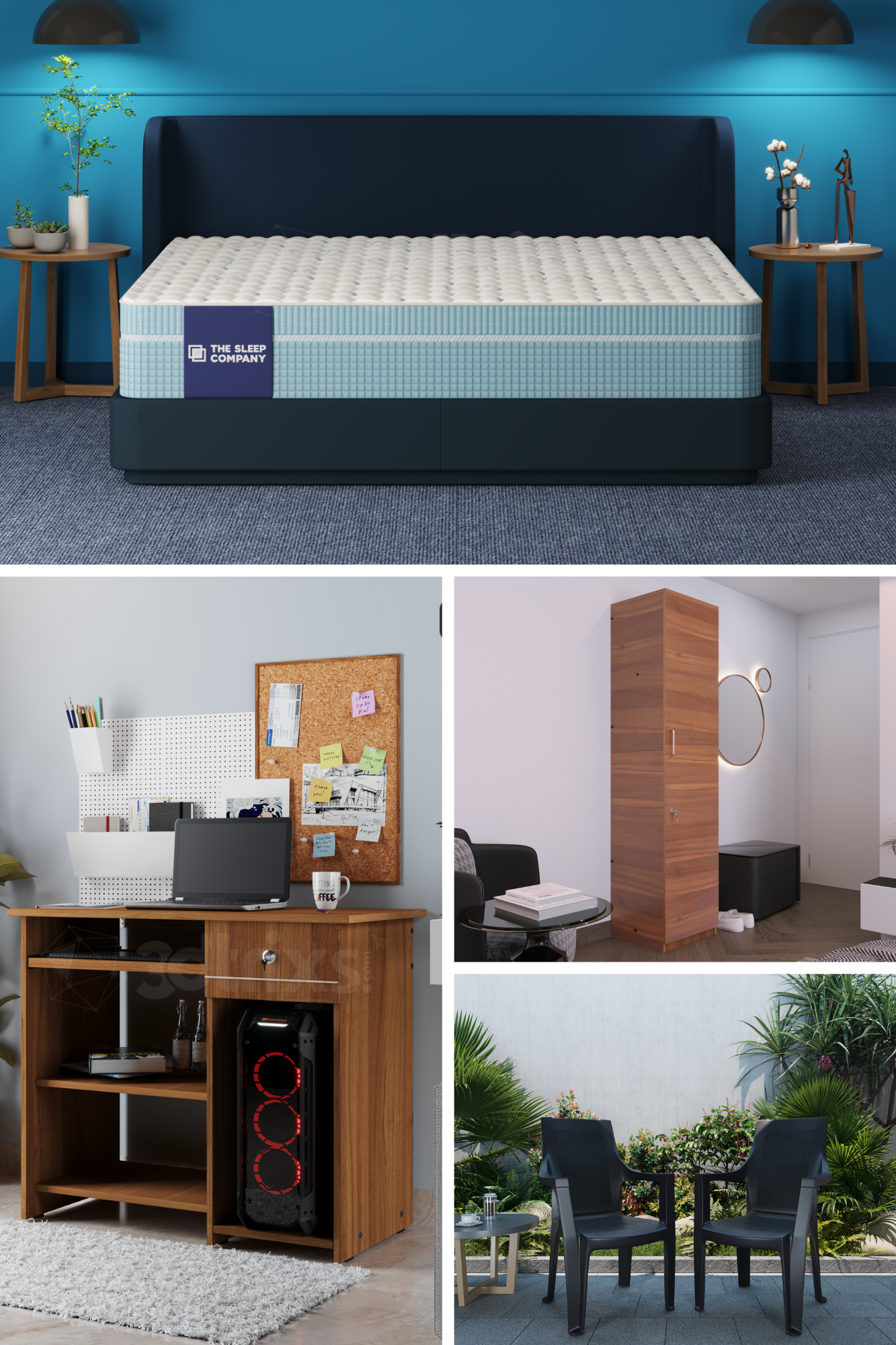
If you’ve ever wondered why great posts sometimes fall flat, the answer is right in front of you: visual content. It’s the single most powerful factor deciding whether your audience stops, looks, understands, and ultimately converts.
In a marketplace where attention is shrinking, and competition keeps rising, your visuals aren’t just “supporting elements.” They are the conversion engine.
This blog explains why visuals determine performance, how brands unknowingly weaken their own content, and what you can do right now to fix it.
Most importantly, you will see how 3DTRIXS helps brands transform good content into conversion-focused experiences through the right product visuals, effective visual marketing strategies, and high-impact media.
The Real Problem: Your Audience Is Not Reading, They Are Scanning
Here’s a simple truth every marketer eventually confronts: People don’t read first. They look first.
Studies show that users process visuals 60,000 times faster than text. Their brain decides whether your product matters before they even read a sentence. That means that average images or generic visuals can silently kill conversions long before your content has a chance to take effect.
And that’s the trap most brands fall into.
They write better ads. They change the caption. They tweak the CTA. They redo the headline.
However, they overlook one crucial aspect that significantly influences the entire user experience: the quality and clarity of their visual content.
If your visuals don’t grab attention, don’t communicate value instantly, or don’t help viewers imagine themselves using the product, no amount of copy can save your conversions.
This is why the starting point is not what you say, but what you show.
What Brands Get Wrong About Visual Marketing?
Most brands misunderstand visual marketing in one of three ways:
1. They assume visuals are “just pictures.”
But visuals are a decision-making shortcut. People use images and videos to judge trust, quality, and relevance in seconds.
2. They focus on quantity instead of clarity.
Uploading more images doesn’t increase conversions, but uploading better ones does.
3. They underestimate the gap between good visuals and conversion-optimized visuals.
Aesthetic visuals are nice. Conversion visuals are intentional.
A conversion-optimized product visual:
Shows the product clearly
Highlights benefits within seconds
Reduces confusion
Builds trust
Removes doubts
Makes the user imagine ownership
If your visuals are not accomplishing these goals, your audience disengages, not because your product is bad but because the visuals are not doing their job.
How Visual Content Changes the Conversion Game?
Let’s break down how visual content reshapes buying behavior:
1. Visuals simplify complex products
Many products might be electronics, home appliances, or industrial items they need a visual explanation. Photos, 3D models, animations, or explainer videos help users see how something works instead of guessing.
2. Visuals reduce cognitive load
Your audience doesn’t want to figure things out. Clear visuals help them understand instantly.
3. Visuals build trust faster than text
High-quality visual signals professionalism, credibility, and legitimacy. Low-quality visuals do the opposite.
4. Visuals guide attention and emotion
The right angle, lighting, composition, and storytelling can shape user perception more deeply than any written description.
5. Visuals make your content feel premium
High-end product visuals elevate your brand even before users read your price.
When your visuals communicate value instantly, conversions follow naturally
Why Product Visuals Matter More Than Ever?
Customers don’t touch products online; instead, they judge through visuals. This makes product visuals the new “first impression” of your brand.
They influence:
Click-through rates
Time spent on the page
Add-to-cart rates
Final purchase decisions
And here’s the catch: Even a strong product fails when visuals fail.
Let’s compare two brands selling the same product:
Perfect for: E-commerce, Amazon, Flipkart, websites, and brochures. Photography sets the foundation for trust. Clean, crisp, detailed images make your product look professional and reliable.
Perfect for: Products with features, mechanisms, or use-cases. Videos dramatically increase engagement because they reduce effort. People would rather watch than read.
Perfect for: Manufacturers, furniture brands, consumer products, and engineering items. 3D visuals allow you to show angles, animations, exploded views, and variations that photography alone can’t achieve.
Perfect for: High-engagement markets, furniture, real estate, and luxury products. These experiences build interaction, which increases time spent and trust—leading to higher conversions.
The Direct Link Between Visuals and Conversions
Here’s how visuals influence measurable outcomes:
Better visuals → more attention
More attention → more understanding
More understanding → more trust
More trust → more conversions
Your conversions aren’t random. They reflect the quality of your visuals.
A small visual improvement can trigger a big revenue shift.
Common Visual Mistakes That Kill Conversions
1. Overcrowded frames
Your product should be the hero, not the background.
2. Inconsistent styles
If your visuals look disconnected, your brand looks unreliable.
3. Poor lighting or angles
These create confusion and reduce perceived value.
4. No close-ups
Customers want to see details, textures, and mechanisms.
5. Ignoring video
If your competitors use video and you don’t, you automatically lose the attention battle.
The good news? Every one of these mistakes is fixable.
The Solution: Upgrade Your Visual Strategy, Not Your Budget
You don’t need massive budgets to improve conversions—you need smarter visual choices.
Start by identifying:
Where your visuals fail
What your audience doesn’t understand
What doubts aren’t being addressed
What features aren’t clear
Where your product story feels incomplete
The moment your visuals answer buyer questions, conversions increase—often dramatically.
How 3DTRIXS Can Help You Transform Your Visual Content
This is where the right creative partner makes all the difference.
At 3DTRIXS, we specialize in turning ordinary product visuals into high-converting assets using a complete set of services—all designed to improve clarity, storytelling, and buyer confidence.
Conclusion: Your content can convert, but only if your visuals do their job.
Your visuals shape the entire customer journey. They decide whether your content gets attention, whether your product feels trustworthy, and whether your audience takes action.
If you improve your visuals, you improve your conversions. It’s that simple and that powerful.
Whether you’re selling on Amazon, scaling an e-commerce brand, running paid ads, or building product awareness, the right visual content gives your brand the edge.
Now the only question is:
Are your visuals helping you sell or holding you back?
FAQ Section
1. How does visual content improve conversions?
Visuals reduce cognitive load, build trust quickly, and communicate value instantly. When customers understand your product faster, they convert faster.
2. What type of product visuals convert best for ecommerce?
Clean product images, lifestyle shots, close-ups, short product videos, 3D views, and feature explainers perform best because they remove confusion and build confidence.
3. How does visual marketing influence buying decisions?
Visual marketing guides attention, emotion, and perception. It helps buyers see benefits, understand usage, and feel more connected to your product—leading to higher conversions.
4. Why are high-quality visuals important for online sales?
Online buyers cannot touch the product. High-quality visuals become a substitute for physical interaction, reducing doubt and increasing trust.
5. How can brands use visuals to increase customer trust?
Consistent, detailed, professionally designed visuals signal legitimacy. When customers feel the brand is reliable, they are more likely to purchase.