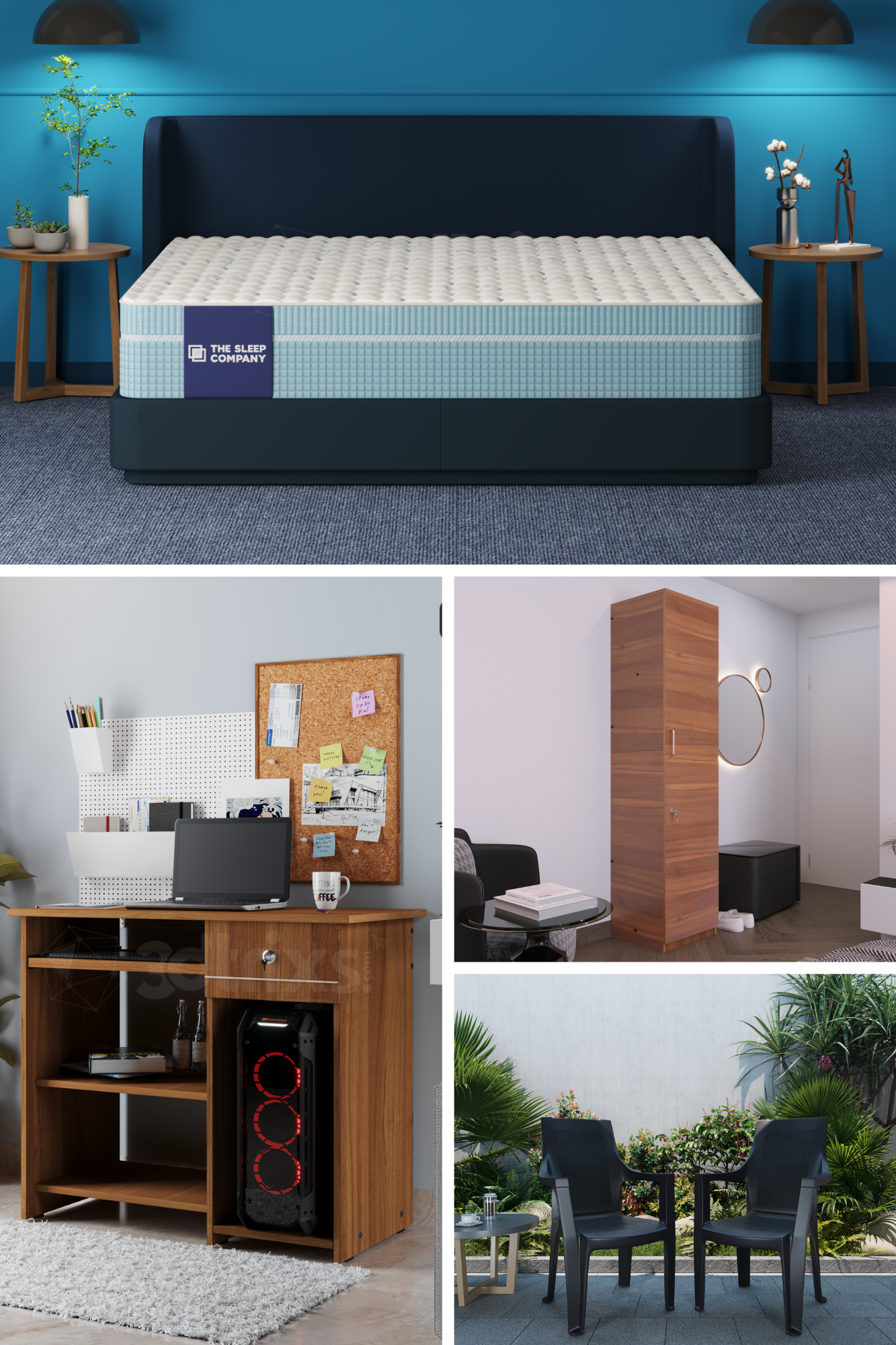
Most brands never realise that their key feature, the one thing that makes their product truly valuable, is often hidden inside long descriptions, crowded pages, or forgettable images. Online shoppers do not search for your entire product story.
They search for the one feature that solves their problem. If your product highlights do not make that feature obvious, you lose the sale instantly. In the online marketplace, strong product highlights decide whether shoppers understand your value or scroll past without a second thought.
This article explains why essential features remain unseen, how weak feature presentation lowers conversions, and how improving feature visibility can transform your online performance.
Your Most Important Feature Is Often the One Shoppers Never See
You know your product inside and out. You understand what makes it special and why it is better than competing options. Online shoppers often lack this knowledge and do not take the time to research it. If your most valuable feature is hidden behind text-poor images or unclear visuals, shoppers will never notice it.
When a feature is buried, it leads to three immediate problems.
Shoppers cannot identify what makes your product unique
Shoppers assume the product is not worth the price
Shoppers move on to a competitor with clearer communication
A powerful product can fail simply because its core advantage is not visible.
Shoppers want instant clarity. They want to know in the first few seconds why your product is the right choice. This means your product highlights must be presented clearly and placed where attention naturally goes. A strong product highlight does three things immediately.
It identifies the key benefit
It shows why the feature matters
It helps shoppers imagine the benefits in their daily lives
If your key feature is not highlighted early, your product becomes one of many options instead of a clear solution.
The Importance of Feature Presentation in Online Selling
Your feature presentation shapes how shoppers understand value. A clear presentation builds trust and makes the product feel polished and intentional. Poor presentation creates confusion. Feature presentation affects the buying journey because it influences what shoppers notice first and how they form impressions.
A strong feature presentation does the following.
It simplifies understanding
It creates emotional relevance
It builds credibility
It increases the time spent on the page
It convinces shoppers that the product is worth the price
A weak feature presentation has the opposite effect, causing instant disengagement.
Feature Visibility Determines Whether Your Product Gets Chosen
Shoppers compare products based on differences. If they cannot see your difference, they choose a competitor whose difference is clear. Feature visibility is what allows shoppers to understand why your product is better than the alternatives.
High feature visibility increases the following.
Click-through rates
Page engagement
Perceived quality
Conversion rates
Customer confidence
When your feature visibility is strong, shoppers feel informed. When it is weak, shoppers feel uncertain.
The Real Cost of Buried Features
You lose far more than attention when your feature is hidden. You lose every metric that supports your ranking and conversion.
Here are the major losses caused by hidden features.
Lower engagement because shoppers do not understand the value
Lower conversion because shoppers cannot see the benefit
Lower ranking because algorithms register poor performance
Higher ad costs because your listing is not effective
Weaker customer trust because the product feels unclear
More returns because expectations are not aligned
A hidden feature is a silent revenue leak.
Why Shoppers Do Not Search for Hidden Information
Online buyers do not dig for details. They expect the product to reveal its value with minimal effort. When information is buried, shoppers assume the product is not strong enough to highlight something important. They do not think it must have great hidden features. They think it probably does not have anything impressive.
This is why feature visibility matters. You must show your value instantly.
How Strong Product Highlights Transform Understanding
When your product highlights are clear, shoppers understand the value in seconds. This changes how they explore the product page and directly increases the chances of conversion.
Strong product highlights do the following.
Explain the benefit quickly
Guide shoppers through features effortlessly
Shift attention to the main selling point
Increase trust through clarity
Create a premium perception
The result is a more confident shopper who spends more time exploring your offer.
What Effective Product Highlights Should Include
To create strong highlights, you must follow a simple structure based on clarity and purpose.
A clear statement of the feature
Focus on the strongest benefit, not general specifications.
Visual evidence of the feature
Use photography or three-dimensional imagery to show the benefit.
Context for real use
Help shoppers imagine using the product.
Contrast with common alternatives
Show what makes your version superior.
Proof of value
Use visual demonstrations rather than text alone.
When your highlights follow this structure, shoppers understand value immediately.
What Strong Feature Presentation Looks Like
A strong feature presentation has several visual and structural elements that guide attention.
High-quality hero image that shows the main feature
Secondary images that demonstrate the benefit
Explainer videos that show the feature in action
Graphic callouts that highlight key improvements
Three-dimensional animations that explain complex mechanisms
Lifestyle visuals that show the feature in real-world use
Every element works together to shift attention toward what matters most.
How to Improve Feature Visibility Instantly
There are several proven ways to increase the visibility of your key feature.
Place the feature at the top of the product page
Use a clear visual demonstration
Avoid technical language and highlight the benefit instead
Use close-up images that focus on the feature
Add motion through videos or animations
Present the feature in lifestyle scenes
Show comparisons that highlight improvements
Better feature visibility means shoppers do not need to guess what the product does differently.
Problem Impact Solution Framework
This framework breaks down why your feature must be visible instantly.
Problem
Your key feature is hidden inside text blocks or low-quality visuals.
Impact
Shoppers do not understand your value, which lowers engagement and conversions.
Solution
Increase feature visibility by improving product highlights feature presentation and visual clarity.
When your feature presentation becomes stronger, your product becomes easier to trust and easier to choose.
How 3DTRIXS Helps You Highlight Your Key Feature
3DTRIXS specialises in creating visual content that brings your features forward and makes them clear at first glance. Our approach ensures that your strongest selling point is impossible to miss.
Your product has a feature that sets it apart. If shoppers cannot see it, understand it, or experience it visually, then it does not exist in their decision-making process. Strong product highlights make your feature visible. Strong feature presentation makes your feature understandable. Strong feature visibility makes your feature desirable.
You win online by making your key feature impossible to miss. The question is simple. Are your strongest features clearly visible, or are they buried where shoppers will never see them?
Frequently Asked Questions
How do product highlights influence buying decisions?
Product highlights help shoppers understand the most important benefit quickly, which increases trust and leads to faster decisions.
What creates a strong feature presentation
Strong feature presentation includes clear visuals, videos, close-up shots, and structured explanations that show how the feature works and why it matters.
How does feature visibility impact conversions
When shoppers see and understand the feature, they are more confident, which directly improves engagement and conversions.
Why do shoppers overlook key product features?
Shoppers overlook features when they are placed too low on the page, hidden in text blocks, or not demonstrated visually.
How can I make my key feature stand out
Use clear visuals, videos, three-dimensional animations, and lifestyle scenes to bring the feature forward and make it easy to understand.
Product content is the backbone of e-commerce in 2025. A couple of photos and a short description won’t cut it anymore. Shoppers expect more. They want to understand, trust, and almost experience the product before they buy. Your content is what makes that possible.
If your content doesn’t grab attention, answer questions, and build confidence, someone else’s will. And here’s the reality: the competition is only getting tougher. With millions of sellers competing on marketplaces like Amazon and Flipkart, the brands that succeed are those that understand how to utilize content as a conversion tool, not just a checkbox.
Let’s break down the three things your product content must do if you want to sell online this year.
1. Make Your Product Content Visually Unstoppable
Your product’s first impression comes from visuals. Before anyone reads a single word, they see your images or videos. If those visuals don’t spark interest, the game is over.
High-Impact Images for Clarity and Appeal
Your images need to do more than show the product. They need to make it look real, desirable, and relevant to the buyer’s life. Lifestyle shots, detailed close-ups, and multiple angles build trust. Static images still matter, but today, shoppers expect more.
Videos That Tell a Story
Video content isn’t optional anymore. A good product video can do what 1,000 words never could. It shows scale, functionality, and real-world use instantly. Even short clips make a big difference. Think of videos as the bridge between browsing and buying—they remove hesitation.
3D and AR: The New Standard
People want to see how a product fits into their world before they buy. That is where 3D models and ARstep in. When customers can rotate, zoom, or place a product in their space, it builds instant confidence. This is not the future. It is happening right now.
2. Give Buyers the Information They Need—Without Making Them Work for It
Shoppers hate uncertainty. The fastest way to lose a sale is to leave questions unanswered. Your product content should feel complete, clear, and easy to scan.
Clear Descriptions That Do the Heavy Lifting
Your copy should explain what the product is, what it does, and why it’s worth buying. Skip the fluff. Focus on the features, but highlight the benefits too. People want to know how it makes their lives better.
Structured Content for Quick Decisions
Most people skim before they read. Use headings, bullet points, and short paragraphs. Add specifications where needed, but keep them organized. The easier you make it to understand the product, the faster the decision happens.
Answer Questions Before They’re Asked
Think like the customer. What do they need to know before they click ‘Add to Cart’? Size? Material? Compatibility? Warranty? Put that information front and center. Anticipating objections removes friction and reduces returns.
3. Build Trust Through Consistency and Quality
Here’s the thing: trust is what makes people buy. And trust comes from quality.
Professional Presentation Creates Credibility
Poor images, shaky videos, or generic descriptions make people doubt the product. If you don’t care about how it looks online, why would they believe you care about what they’re buying? High-quality visuals and well-written copy say one thing: this brand is legit.
Consistency Across Platforms
Your product should look and feel the same no matter where people find it—Amazon, Flipkart, or your own website. Consistent content strengthens recognition and authority. Inconsistent content makes you look like an afterthought.
Social Proof and Engagement Matter
While reviews aren’t part of your direct content strategy, the way you present your product influences the kind of feedback you get. Good content encourages positive engagement. And engagement leads to trust.
The Problem with Most E-Commerce Content
Here’s the truth: most sellers still treat product content as an afterthought. They upload a few photos, copy-paste some text, and hope for the best. That might have worked years ago. It doesn’t work now.
Why? Because marketplaces reward quality. The better your content, the better your ranking. High-quality listings convert more, which means algorithms push them higher. Low-quality content sinks, no matter how good the product is.
The problem isn’t just competition—it’s changing expectations. Customers now expect the same experience online that they’d get in-store. If you can’t give them that, they’ll buy from someone who can.
The Solution: A Complete Visual Strategy
To win in 2025, you need a content strategy that matches how people actually shop. That means combining great visuals, clear details, and interactive features in one complete experience. It is not about a single image or a single video. It is about the whole journey.
High-quality product photography: Clean, detailed, and optimized for every platform.
Explainer videos: Show how the product works and why it matters.
3D models and AR: Let customers interact with the product virtually.
Lifestyle visuals: Help buyers imagine the product in their life.
Structured copywriting: Clear, concise, and benefit-driven.
When all these pieces come together, your product isn’t just another listing. It becomes the obvious choice.
How 3DTRIXS Can Help You
This is where we come in. At 3DTRIXS, we create experiences that sell. Our services include everything you need to make your product stand out:
We’ve worked with global brands and e-commerce sellers who understand one thing: great content isn’t a cost, it’s an investment. It pays for itself in higher conversions, fewer returns, and stronger brand authority.
If your goal is to dominate online sales in 2025, this is the way to do it.
Founded: 2014
Team Size: 40 to 50 Employees
Clients: Amazon, Paypal, Deloitte, Levis, Intel, EY and many more.
Your product content is your storefront. It is the first thing people notice and the last thing they check before buying. In 2025, good is not enough. You need content that informs, convinces, and converts.
Make your visuals impossible to ignore. Give customers every detail they need. Build trust with a consistent, high-quality presentation. Do those three things, and your product does not just compete. It wins.
If you’re ready to make that happen, 3DTRIXS is ready to help you get there.
FAQ: Product Content Strategy for 2025
1. What is product content and why does it matter in e-commerce? Product content includes images, videos, descriptions, and interactive elements that represent your product online. It matters because it’s the only way to show buyers what they’re getting without a physical store.
2. How does product content affect conversion rates? High-quality content builds trust and reduces hesitation, leading to higher conversions. Listings with strong visuals and clear information consistently outperform those without.
3. What’s the role of videos and 3D models in e-commerce content? Videos explain functionality quickly, while 3D models and AR experiences allow customers to visualize the product in their space. Both significantly improve engagement and confidence.
4. How often should I update my product content? Update content whenever your product changes, platform requirements shift, or new trends emerge. Staying current keeps you competitive.
5. Why should I invest in professional content creation? Professional content signals credibility, improves search rankings, and drives conversions. It’s one of the most cost-effective ways to grow your online sales.
When shoppers are bombarded with hundreds of options, it’s not enough to simply list features or shout discounts. What makes people stop, look, and remember you? It’s branding. More specifically, it’s product branding—the way your product looks, feels, and tells its story in seconds.
So let’s break down 7 product branding strategies to instantly differentiate your product, build trust, and create a lasting product identity.
What Is Product Branding and Why Is It Important?
Before diving into strategies, let’s answer the obvious: what is product branding and why is it important?
Branding isn’t just a logo or a set of colors. It’s the personality of the product. You see it in the photography, the packaging, the videos, the little animations. You hear it in how the benefits are explained. All of that adds up to the identity people actually connect with.
Without branding, products blend into a sea of sameness. With it, you create product uniqueness that customers notice and remember.
1. Tell a Story Through Product Photography
Blurry, generic images make even great products feel forgettable. High-quality product photography services turn ordinary features into compelling benefits.
A coffee mug becomes “comfort at your desk” when shown steaming beside an open laptop.
A sneaker becomes “freedom and performance” when shown mid-run on a trail.
Photography creates immediate product identity. It’s the first impression buyers have—and often the last if it doesn’t connect.
2. Use Explainer Videos to Make Benefits Clear
Specs can confuse. Benefits persuade. Explainer videos bridge the gap.
Imagine a keyboard:
A static image shows keys.
An explainer video shows someone typing smoothly in low light with an ergonomic design preventing strain.
The difference between information and persuasion is simple. Information lists features. Persuasion makes you care about them. Explainer videos work because they go past what a product does and show why it actually matters.
3. Showcase Product Uniqueness With 3D Modeling and Animation
A buyer can place furniture in their living room through augmented reality.
A VR headset can let someone walk through a hotel before booking.
This goes beyond branding. It’s interactive. It lets people feel a sense of ownership before they’ve even made the purchase.
6. Strengthen Product Identity With Consistent Content
A product is more than how it looks. It’s the words around it, the tone, the message. That’s where content and creative advertising step in and shape how people actually experience it.
Copywriting that turns features into benefits.
Campaigns that reinforce the same emotions across social media, ecommerce, and ads.
Design consistency that ensures your product is always recognizable.
Consistency builds product identity. Without it, even the best visuals feel disconnected.
7. Differentiate With Lifestyle Branding
People don’t just buy products. They buy into a lifestyle. Think about the brands that stick. Almost all of them tie what they sell to the way their customers want to live.
Apple doesn’t just sell phones; it sells creativity and status.
Nike doesn’t just sell shoes; it sells motivation and achievement.
Your product can do the same:
Use photography to place products in aspirational scenarios.
Use videos to connect with customer values.
Use AR/VR to let them live the experience.
This is how you move from being another option to being the only choice.
How to Build a Strong Product Identity
So here’s the question every brand asks: how to build a strong product identity?
It comes down to consistency and creativity.
Every photo should reinforce benefits.
Every video should show product uniqueness.
Every campaign should echo the same emotions.
When all your branding assets align, buyers recognize you instantly. That recognition builds trust—and trust builds sales.
How Can Visuals Improve Product Branding?
Visuals are the fastest way to differentiate. How can visuals enhance product branding?
Without visuals, branding is abstract. With them, it’s instant.
FAQs About Product Branding
1. What is product branding, and why is it important? Product branding is the identity of a product—the way it looks, feels, and communicates. It’s important because it creates product uniqueness in crowded markets.
2. How does product branding create product uniqueness? It highlights benefits, not just features, through visuals and storytelling. Services like photography, video, and 3D modeling make your product stand out.
3. How to build a strong product identity? Keep visuals and messaging consistent. Use creative services to reinforce the same emotions across all platforms.
4. What are examples of successful product branding strategies? Apple, Nike, and Tesla. Each sells an experience and lifestyle beyond the product itself.
5. How can visuals improve product branding? By turning features into experiences. Photography, video, CGI, and AR/VR show customers the benefits they can feel.
Conclusion
The bottom line is that branding isn’t decoration. It’s what sets you apart. Features alone won’t do it. The way you show benefits and the way you present them visually is what makes the difference.
When you invest in services like:
Product photography that shows benefits clearly
Explainer videos that tell product stories
3D modeling and animation that simplifies complexity
CGI and VFX that create impact
AR and VR experiences that make products interactive
Creative advertising and content creation that ensures consistency
You’re not just creating visuals. You’re building what makes the product unique and the identity that lasts.
How 3DTRIXS Can Help You?
At 3DTRIXS we create visuals that give product branding real power. It’s never just decoration. Our work is about making your product stand out with clarity, emotion, and a clear sense of identity.
With more than 8000 projects delivered for global brands, we know how to translate features into benefits and benefits into sales.
Founded: 2014
Team Size: 40 to 50 Employees
Clients: Amazon, Paypal, Deloitte, Levis, Intel, EY and many more.
In today’s fiercely competitive marketplace, where consumers are inundated with choices, product differentiation has become a cornerstone of successful marketing strategies. It’s not just about having a superior product; it’s about effectively communicating what makes your product unique and compelling to your target audience.
Product differentiation encompasses a range of strategies—from innovative features and superior quality to unique branding and exceptional customer experiences—that collectively create a competitive edge. Businesses that effectively differentiate their products not only attract attention but also build customer loyalty and command premium pricing.
This guide explores the art and science of product differentiation, offering actionable insights and strategies to help businesses navigate the complexities of standing out in crowded markets. By understanding and implementing these strategies, businesses can position themselves for sustained growth, increased market share, and lasting success.
Introduction
In today’s fiercely competitive marketplace, differentiation is crucial for businesses aiming to stand out and capture market share. Product differentiation involves highlighting unique features, benefits, and value propositions that set your product apart from competitors. This guide explores ten effective strategies, including leveraging video production and 3D rendering services, to differentiate your product and achieve success in a competitive market.
1. Understand Your Target Audience
Before implementing any product differentiation strategy, thoroughly understand your target audience’s needs, preferences, and pain points. Conduct comprehensive market research, gather customer feedback, and analyze competitor offerings to identify gaps and opportunities. Use insights to tailor your product features, messaging, and visual content, including videos and 3D renders, to resonate with your audience effectively.
2. Leverage Video Production
Video production is a powerful tool for effectively communicating your product’s value and uniqueness. At 3DTRIXS, we specialize in creating a variety of videos tailored to enhance your product marketing efforts:
Product Demo Videos: Showcase your product in action, highlighting its features, benefits, and usability. These videos provide a hands-on experience for viewers, allowing them to see exactly how your product solves their problems.
Customer Testimonial Videos: Capture the voices of satisfied customers sharing their positive experiences with your product. These testimonials build trust and credibility, offering real-life examples of how your product has made a difference.
Explainer Videos: Simplify complex ideas or processes related to your product using animated or live-action explainer videos. These videos educate your audience about your product’s unique selling points in an engaging and easy-to-understand manner.
Brand Storytelling Videos: Share the journey and values behind your brand through compelling storytelling. These videos evoke emotions and connect on a deeper level with your audience, reinforcing brand identity and loyalty.
Social Media Videos: Create short, attention-grabbing videos optimized for platforms like Instagram, Facebook, and TikTok. These videos are designed to spark interest and drive engagement, reaching a broader audience and increasing brand visibility.
Our video production services are designed to bring your product to life, captivate your audience, and drive meaningful engagement and conversions.
3. Harness 3D Rendering Services
Harness the power of 3D rendering to create realistic visualizations of your products. We provide comprehensive 3D rendering services that enable you to showcase detailed product designs, customization options, and virtual prototypes. These visual representations help customers visualize and understand your offerings better, enhancing marketing materials, websites, and digital campaigns with visually stunning 3D imagery that sets your product apart.
4. Focus on Unique Value Propositions (UVP)
Develop a strong Unique Value Proposition (UVP) that communicates why customers should choose your product. Highlight the unique benefits and solutions your product offers, supported by compelling visuals created through video production and 3D rendering. Showcase these features in action to demonstrate their value and superiority over competitors, emphasizing effective product differentiation.
5. Innovate Continuously
Maintain a competitive edge by continuously innovating your product offerings. Integrate cutting-edge technology, enhance product design with 3D renders, and introduce new features that address emerging customer needs. Use video production to showcase product innovations and explain their benefits in engaging and informative ways that resonate with your audience.
6. Enhance Customer Experience
Differentiate your product by delivering exceptional customer experiences at every touchpoint. Use video production to create tutorials, customer testimonials, and explainer videos that guide users and enhance their interaction with your product. Utilize 3D rendering to visualize customization options or product configurations that improve usability and satisfaction.
7. Build a Strong Brand Identity
Develop a cohesive brand identity that reflects your company values and resonates with your target audience. Use video production to tell your brand story, evoke emotions, and establish a strong connection with customers. Enhance brand recognition with visually appealing 3D renders in marketing materials, packaging designs, and digital content, emphasizing product differentiation.
8. Price Positioning Strategy
Consider your pricing strategy as part of your differentiation plan. Use video production to justify premium pricing by highlighting product quality, features, and benefits that justify the cost. Use 3D renders to demonstrate the craftsmanship and attention to detail that justifies premium pricing, positioning your product as a high-value option in the market.
9. Create Partnerships and Alliances
Form strategic partnerships and alliances to enhance your product offering and market reach. Collaborate with influencers or industry experts to create engaging video content that reaches a wider audience and builds credibility. Use 3D rendering to showcase collaborative projects or co-branded offerings that provide unique value to customers.
10. Monitor Competitor Activity
Stay informed about competitors’ product launches, marketing strategies, and customer feedback. Analyze their strengths and weaknesses to identify opportunities for differentiation. Use video production and 3D rendering to innovate ahead of competitors, demonstrating unique features and benefits that meet customer needs better than alternatives.
Conclusion
Effective product differentiation is pivotal for achieving sustained success in a competitive market. By understanding your audience, focusing on unique value propositions, continuous innovation, enhancing customer experiences, building a strong brand identity, strategic pricing, forming partnerships, monitoring competitors, and leveraging video production and 3D rendering services, businesses can differentiate their products effectively.
Implement these strategies thoughtfully, adapting them to evolving market dynamics and customer expectations, to drive growth, loyalty, and market leadership.
3DX Provides Complimentary Tools That Help You in Product Differentiation
Harnessing the power of advanced AI tools can revolutionize how businesses approach product differentiation. We offer a suite of cutting-edge AI tools designed to empower your marketing efforts. Our tools include a Video Script Generator for creating compelling narratives, an Image Generator to visualize product concepts, a Voice Generator to personalize customer interactions, a Product Name Generator for crafting memorable brand identities, and a Product Description Generator to articulate unique selling points effectively.
Additionally, our Google Ad Copy Generator optimizes ad campaigns, a Hashtag Generator boosts social media engagement, and a Clickbait Title Generator captures audience attention. These AI tools equip businesses with innovative solutions to stand out in competitive markets, enhancing brand visibility and driving customer engagement.