
How Weak Product Listings Hurt Visibility and Engagement
Your product listing is the first conversation your brand has with a potential customer, and most brands do not realize how quickly that conversation ends when the listing says too little.
In a world where buyers make decisions in seconds, weak listings silently destroy product visibility, kill product engagement, and reduce conversions long before you even get a chance to compete.
This blog breaks down exactly how incomplete listings damage your sales, why customers instantly lose trust when information is missing, and how to address this issue using clarity, visuals, and conversion-driven content.
The Real Problem: Online Buyers Don’t Have Patience
Here’s the truth most businesses ignore: Online shoppers don’t wait, don’t assume, and don’t chase information.
If they do not understand your product in a few seconds, they simply move on to a competitor who explains it better. When your product listing lacks detail, clarity, or strong visuals, customers feel uncertain even if the product is genuinely good.
This uncertainty leads to:
-
Lower search ranking
-
Lower click-through rate
-
Lower engagement
-
Lower conversions
-
Higher bounce rate
-
Higher return rates
A weak listing doesn’t just sound incomplete; it signals a lack of trust. The less your listing says, the more your customer doubts.
Why Weak Listings Hurt Product Visibility?
Your ranking on marketplaces and search engines is heavily tied to product visibility. The more complete and engaging your listing is, the more platforms trust it. When your listing lacks information, platforms assume it won’t satisfy buyers, and they push it down.
Here’s what incomplete listings do to visibility:
1. They fail keyword relevance checks
Platforms like Amazon, Flipkart, and Google rely on text depth and keyword signals. Weak listings fail these checks, resulting in poor indexing.
2. They create low engagement signals
If shoppers don’t click, scroll, zoom, or explore your listing, platforms assume the product isn’t valuable and suppress its reach.
3. They reduce “time on listing.”
The shorter a visitor stays, the worse the algorithm ranks you.
4. They lower conversion-based ranking
Platforms push products that convert well. Weak listings convert poorly, so visibility drops further. A weak listing isn’t just an informational problem; rather, it’s an algorithm problem.
 Why Customers Disengage When Listings Say Too Little
Your audience is smart. They have expectations. When they open a product page, they subconsciously look for:
-
What exactly does the product do?
-
What benefits does it offer?
-
How big is it?
-
How does it look from all angles?
-
Will it fit into their lifestyle or space?
-
What problems does it solve?
-
Why should they trust this brand?
-
Are the visuals authentic?
-
What features are included?
-
What makes it different from competitors?
If your listing answers none or only a few of these questions, product engagement drops instantly.
That’s why incomplete listings often have:
-
Fewer images
-
No videos
-
No lifestyle context
-
No feature explanations
-
No comparison table
-
No clear benefits
-
No storytelling
Your customers don’t leave because they don’t like your product. They leave because they don’t understand it.
 What Happens When Your Product Listing Says Too Little?
Here’s the domino effect most sellers overlook:
1. Customers can’t visualize the product
If they can’t imagine it, they won’t buy it.
2. Customers can’t compare it
They prefer listings that clearly articulate features, benefits, and technical details.
3. Customers feel uncertain
Uncertainty kills conversions faster than price.
4. Engagement signals drop
Fewer clicks, fewer scrolls, fewer interactions.
5. Product visibility collapses
Algorithms suppress listings that fail to retain users.
6. Competitors with better visuals win instantly
Even if their product is worse.
7. Your paid ads become more expensive
Because low engagement increases your cost per click and reduces your quality score.
Weak listings not only reduce sales but also increase your acquisition costs.
The Role of Visuals in Fixing Weak Product Listings
Words matter, but visuals do more.
High-quality visuals solve the engagement problem by helping shoppers understand your product quickly and emotionally.
Here’s how they directly influence performance:
1. Product Photography Builds Immediate Trust
A clear, crisp, detailed image gives buyers the confidence they need to explore further.
2. Product Videos Increase Product Engagement
Videos communicate value instantly. Shoppers are 3x more likely to purchase when they watch a product video.
3. 3D Modeling Helps Clarify Complex Products
3D models eliminate confusion by showing angles, functionality, internal parts, and product variations.
4. CGI Explainers Tell a Complete Story
When photos alone can’t explain the “why” or “how,” CGI fills the gap effortlessly.
5. Lifestyle Visuals Improve Emotional Connection
People need to imagine the product in their own lives. Lifestyle visuals close that gap.
6. AR/VR Enhances Decision Confidence
Interactive visuals boost product engagement because buyers spend longer exploring the listing.
Each of these visual elements strengthens the listing, increases clarity, and improves engagement, which ultimately boosts visibility.
How Weak Information Lowers Conversions?
Buyers expect clarity, transparency, and storytelling.
If your listing lacks:
-
Dimensions
-
Usage instructions
-
Features
-
Benefits
-
Materials
-
Close-up shots
-
Variations
-
Compatibility info
-
Clear visuals
Then your conversions drop because the customer feels unprepared to buy.
Weak listings make buyers feel like they are guessing, and guessing leads to cart abandonment.

Problem → Solution Breakdown
Let’s break this into a simple framework:
PROBLEM: The Listing Says Too Little
→ Customers can’t visualize the product
→ Customers don’t trust the brand
→ Customers can’t compare features
→ Algorithms sense low engagement
IMPACT: Low Product Visibility & Product Engagement
→ Fewer impressions
→ Lower ranking
→ Weak click-through rate
→ Poor conversions
SOLUTION: Add Complete, High-Quality Visual & Informational Content
→ More clarity
→ More trust
→ More time spent on the page
→ Higher engagement
→ Higher conversions
→ Increased product visibility
Weak listings lose the sale.
Strong listings win the sale.
It’s that simple.
How 3DTRIXS Can Help You Fix Weak Listings?
Your product deserves to be showcased with clarity and impact, not confusion.
Here’s how 3DTRIXS helps you transform weak listings into conversion machines:
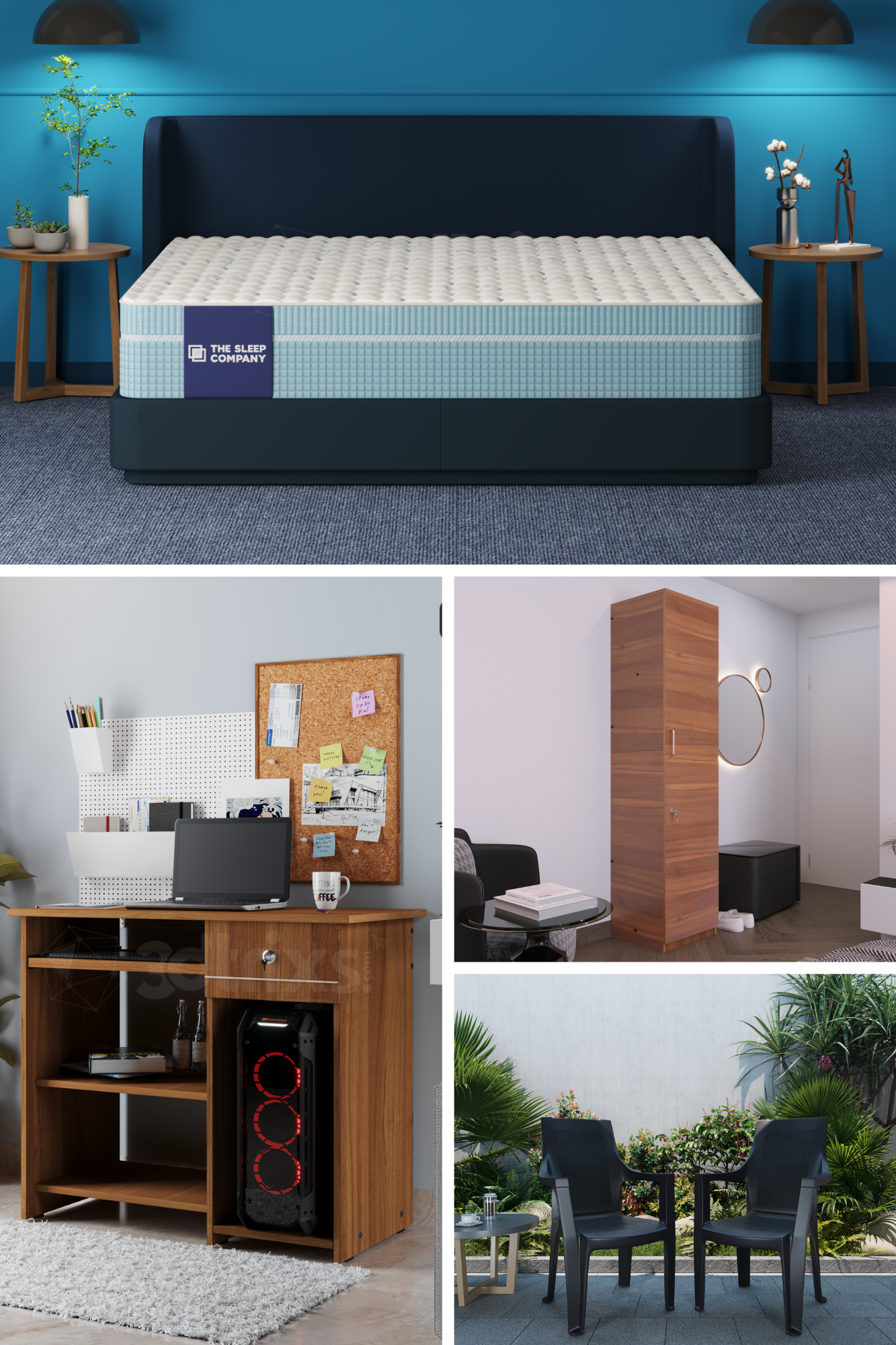
1. High-Impact Product Photography
We create studio-grade images that communicate quality and build immediate trust.
 2. Explainer & Product Videos
Videos increase engagement, reduce hesitation, and boost conversions dramatically.
3. 3D Modeling & Animation
Perfect for complex products, furniture, machinery, consumer goods, and industrial items.
4. CGI & VFX
We help you showcase features that traditional photography cannot capture.
5. AR/VR Product Experiences
Turn your listing into an immersive visitor magnet.
6. Creative Advertising Visuals
Ads drive traffic, your visuals help keep it.




Founded: 2014
Team Size: 40 to 50 Employees
Clients: Amazon, Paypal, Deloitte, Levis, Intel, EY and many more.
Pricing: $1,000+
Completed Projects: 8000+ | Clients: 800+ | Serving Countries: 15+

Conclusion: Clarity Wins, Silence Loses
A product listing with too little information does not just confuse customers, it also harms your visibility, reduces engagement, and weakens your brand perception.
Platforms reward listings that inform, engage, and convert. Customers reward listings that feel trustworthy, complete, and visually rich.
If your listing says too little, your sales will too.
The fix isn’t complicated:
More clarity → More engagement → More visibility → More conversions.
The question now is simple: Is your listing selling your product or silently pushing customers away?
FAQ Section
1. Why is my product listing not getting visibility?
Because incomplete listings produce low engagement signals, which algorithms interpret as low value, reducing reach.
2. How can I improve product listing engagement?
Add better visuals, clear descriptions, feature breakdowns, videos, and complete details. Engagement rises when understanding rises.
3. What information should a product listing include?
Dimensions, features, benefits, materials, usage, warranty, variations, images, videos, and lifestyle visuals.
4. How does product visibility affect sales?
Higher visibility means more impressions and more chances to convert. Low visibility means fewer opportunities and higher ad costs.
5. Why do product listings with less detail perform poorly?
Because customers feel uncertain and algorithms detect low engagement, both lead to poor conversions.