
How much does 3D product animation cost in India? (2026 pricing guide)
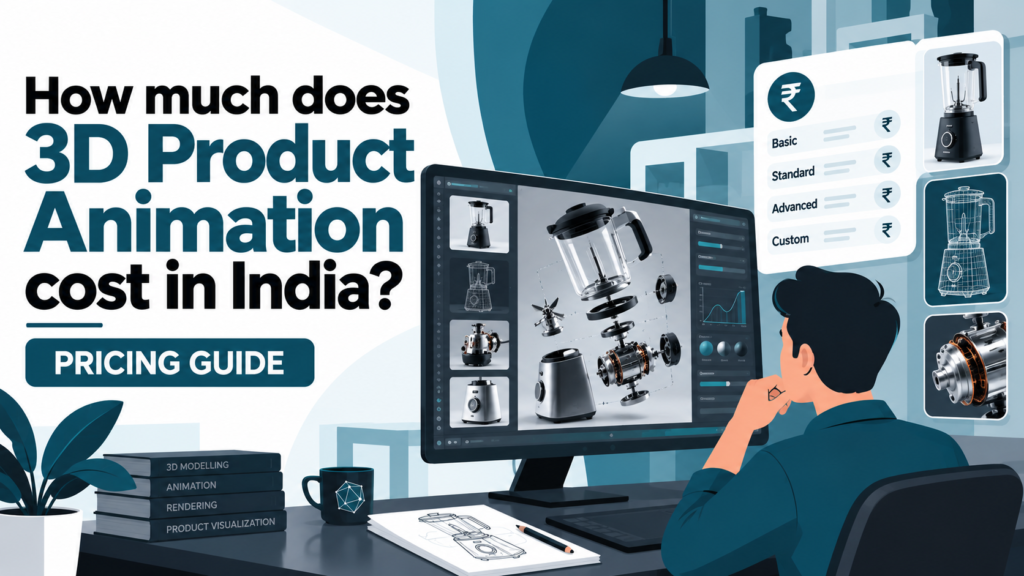
3D product animation in India can cost approximately ₹30,000 to ₹80,000 for a simple product rotation, ₹1 lakh to ₹4 lakh for a polished product showcase, and ₹2 lakh to ₹6 lakh or more for complex technical animations and premium launch films. The final price depends on the product’s complexity, animation requirements, visual quality and deliverables.
For businesses launching new products, creating e-commerce content or explaining technical features, 3D animation offers a way to present products without relying entirely on physical photography or filming. It can reveal internal components, demonstrate movement and show products from angles that conventional cameras cannot capture.
However, not every 30-second animation requires the same amount of work. A simple rotating product and a detailed mechanical demonstration may have identical runtimes but very different production costs.
This guide explains 3D product animation cost in India, what influences pricing, how production budgets are calculated and how businesses can plan an animation project without unnecessary expenses.
How Much Does 3D Product Animation Cost in India?
The cost of 3D product animation varies according to the type of video being produced. A basic product rotation generally requires fewer assets and animation techniques than a commercial featuring multiple environments, detailed materials and advanced visual effects.
The following estimates provide a starting point for budgeting.
| Type of Animation | Duration | Estimated Cost |
|---|---|---|
| Simple Product Rotation | 10–15 seconds | ₹30,000–₹80,000 |
| Product Feature Showcase | 15–30 seconds | ₹1,00,000–₹4,00,000 |
| Technical or Exploded View Animation | 30–60 seconds | ₹2,00,000–₹5,00,000+ |
| Premium Product Launch Film | 45–60 seconds | ₹3,00,000–₹6,00,000+ |
These are indicative planning estimates, not fixed market averages or an official 3DTRIXS price list. Actual quotations depend on scope, revisions, deliverables and applicable taxes.
Simple Product Rotation
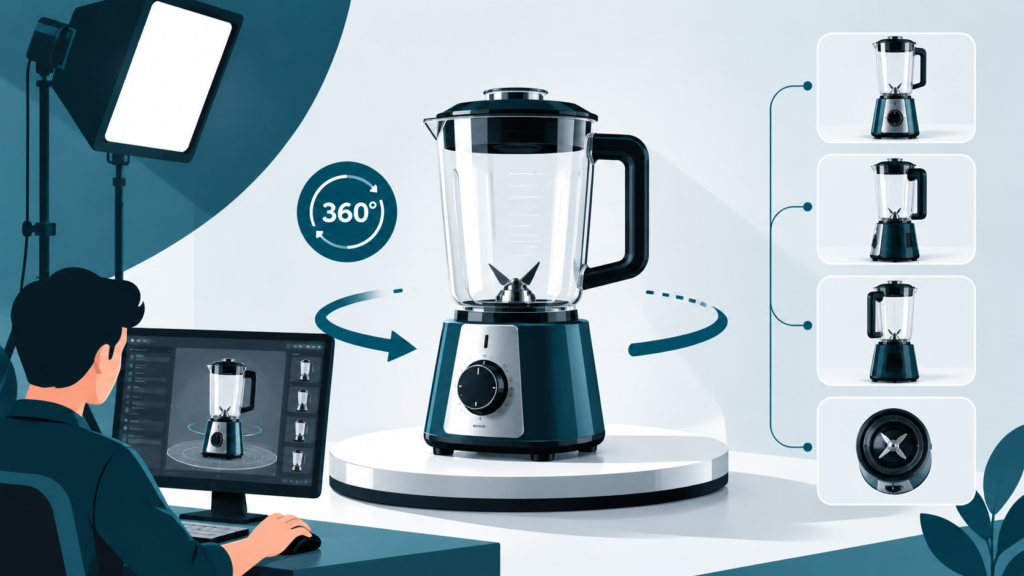
A basic product rotation typically displays an item against a clean background while the camera or product moves to reveal its shape, finish and design.
This format is suitable for e-commerce listings, product catalogs and websites where customers need a clear understanding of the product’s appearance.
Costs generally remain lower when the 3D model is already available, the materials are straightforward and the animation uses minimal camera movements.
Product Feature Showcase
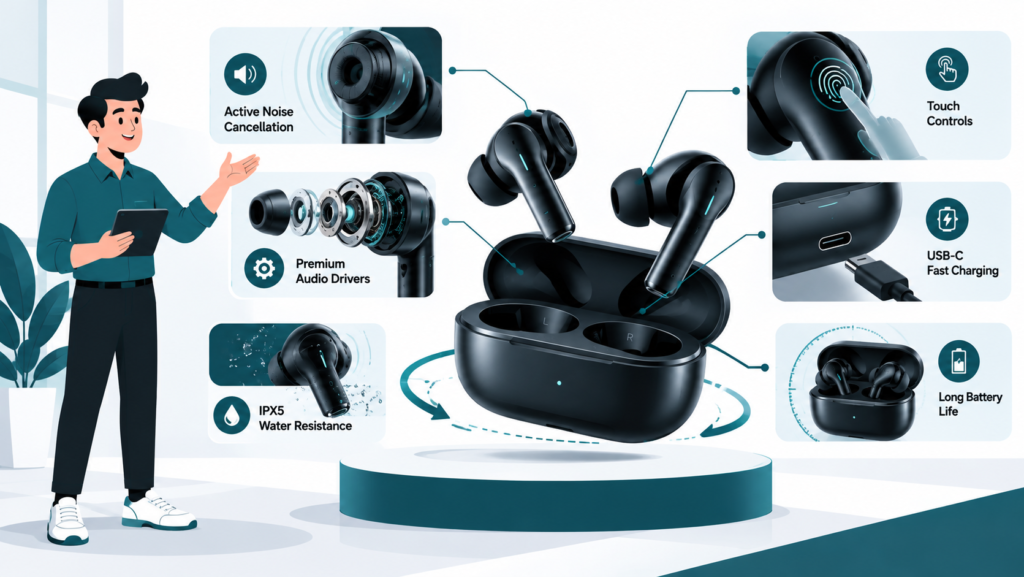
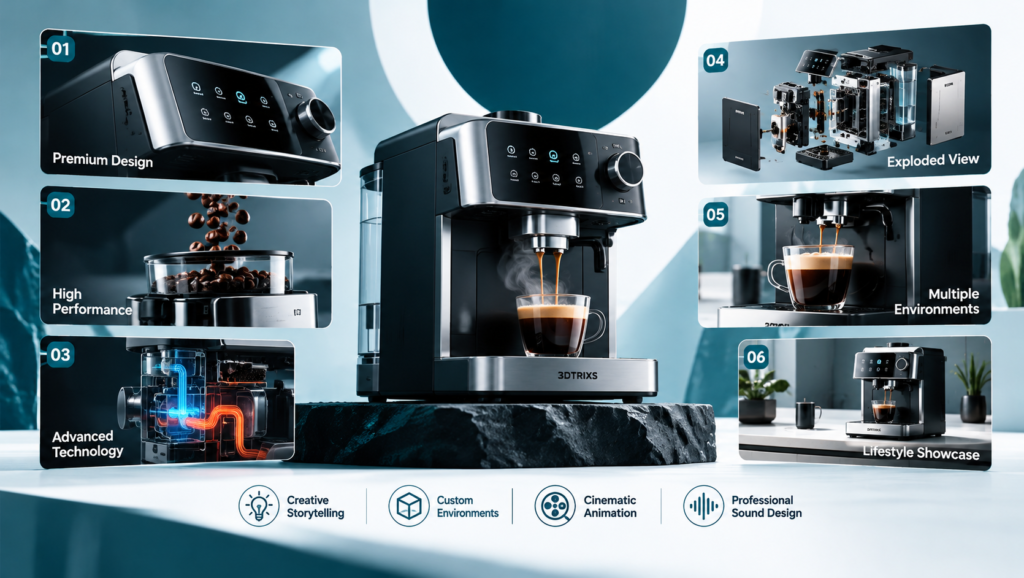
A product showcase goes beyond basic rotation by highlighting individual features through multiple camera angles, close-ups, animated components and carefully designed lighting.
For example, an electronics brand might use a 30-second animation to demonstrate its product’s exterior design, controls, connectivity options and key selling points.
These videos require additional planning because every shot must communicate a specific feature while maintaining a consistent visual appearance.
Technical and Exploded View Animation
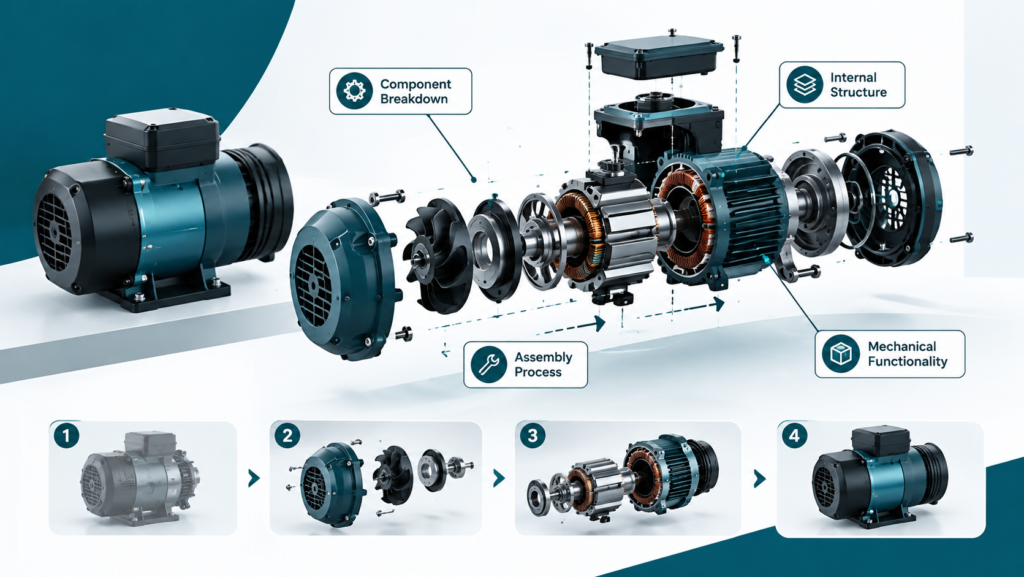
Technical animations demonstrate how products are assembled, how internal components interact and how mechanical systems function.
They are commonly used by manufacturing, automotive, engineering and industrial companies to explain products that are difficult to demonstrate through conventional filming.
The production team may need detailed CAD references, component-level modelling and technical approvals to ensure the animation accurately represents the product.
Premium Product Launch Film
A premium product launch film combines detailed 3D animation with creative storytelling, advanced lighting, multiple environments, visual effects, music and editing.
These videos are often developed for advertising campaigns, product launches, exhibitions and digital marketing.
Costs increase when the production requires custom environments, fluid simulations, realistic material effects or several versions for different advertising platforms.
What Factors Affect 3D Product Animation Cost?
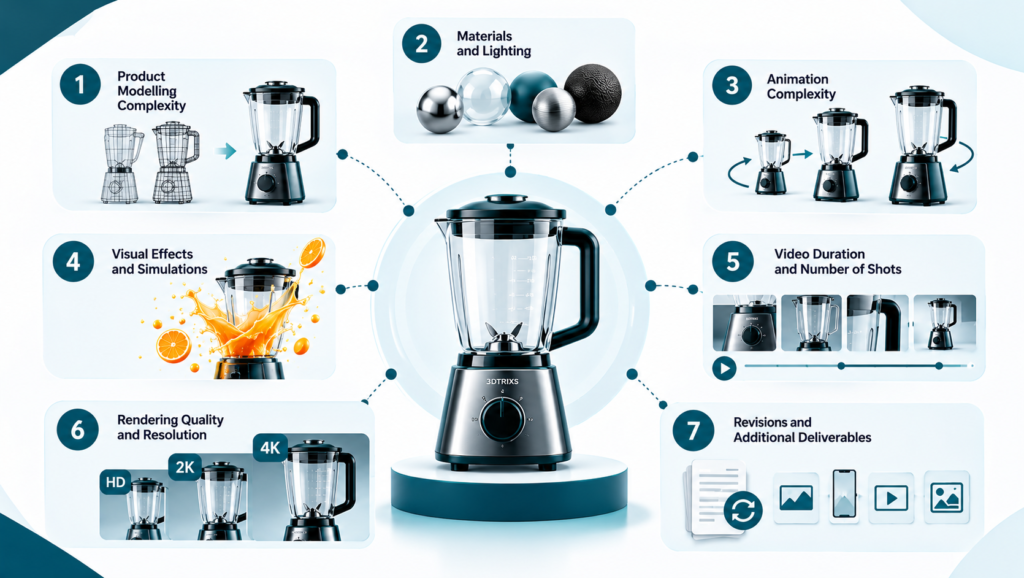
The biggest factors influencing 3D animation pricing are modelling complexity, materials, animation requirements, rendering quality and the number of final deliverables.
Understanding these factors helps businesses identify where their budget is being spent and which requirements are essential.
1. Product Modelling and Design Complexity
Every 3D animation begins with a digital representation of the product. If a company already has an accurate 3D model or CAD file, the production team may be able to use it as a starting point.
However, engineering CAD files are not always ready for animation. They may require geometry cleanup, material preparation, optimization and additional details before rendering.
Products with complicated surfaces, numerous components or intricate mechanical assemblies generally require more modelling work.
A simple household appliance, for example, may be easier to prepare than industrial machinery containing hundreds of individual parts.
2. Materials, Textures and Lighting
Realistic 3D product animation requires more than an accurate model. Materials and lighting determine how the product appears on screen.
Glass, polished metal, transparent plastic and reflective surfaces can require additional development to achieve convincing results.
Product labels, buttons, displays and small surface details must also remain accurate during close-up shots.
For premium advertising, lighting is especially important because it influences the perceived quality of the product.
3. Animation Complexity and Camera Movement
The complexity of movement directly affects production effort.
A simple rotation involves relatively straightforward animation, while an exploded-view sequence requires individual components to separate, move and return to their correct positions.
Technical demonstrations may involve gears, motors, airflow, internal mechanisms or synchronized moving parts.
Every additional movement requires planning, animation and review to ensure the result is visually clear and technically accurate.
4. Visual Effects and Simulations
Certain products benefit from visual effects that cannot be achieved through standard animation alone.
Examples include water splashes, smoke, particles, fabric movement, fluid simulations and complex environmental effects.
These elements may require additional simulation work, testing and rendering.
Businesses should include such effects only when they improve the product demonstration or support the intended visual concept.
5. Video Duration and Number of Shots
Longer videos often require more work, but duration alone does not determine the final price.
A 60-second animation using an existing model and repeated camera movements may be less demanding than a 20-second commercial containing multiple complex simulations.
Shot count is often a more useful pricing consideration because each new camera setup can require additional composition, lighting and animation.
6. Rendering Quality and Resolution
Rendering converts the completed 3D scene into final images that form the animation.
Higher resolutions, complex lighting, reflections and visual effects can increase rendering requirements.
A Full HD animation may be sufficient for many websites and social media applications, while large displays, exhibitions and certain advertising campaigns may require 4K delivery.
Businesses should confirm the intended platforms before production begins.
7. Revisions and Additional Deliverables
Revisions are a normal part of animation production, but significant changes after approval can increase costs.
Changing a product’s dimensions after modelling or modifying an approved animation sequence may require completed work to be repeated.
Additional deliverables, including vertical advertisements, language versions, shorter edits and product stills, should be discussed during the initial briefing.
How Is a 3D Product Animation Budget Divided?
A professional animation project involves several stages, each contributing to the final production cost.
Consider an illustrative budget of ₹2 lakh for a 30-second product showcase featuring one product, a clean studio environment and straightforward animation.
| Production Stage | Estimated Allocation |
|---|---|
| Concept, Script and Storyboard | ₹25,000 |
| Product Modelling and Materials | ₹45,000 |
| Animation, Lighting and Rendering | ₹90,000 |
| Editing, Titles and Sound Finishing | ₹25,000 |
| Contingency for Agreed Adjustments | ₹15,000 |
| Total | ₹2,00,000 |
This example demonstrates how a production budget might be distributed. It is not an actual client quotation or a fixed pricing structure.
A project with an existing, usable 3D model may require less modelling work. Conversely, a technically complex product could require a greater allocation for modelling, animation and technical verification.
Voiceover, licensed music, additional formats, advanced simulations and editable project files may also affect the final quotation.
What Is the 3D Product Animation Production Process?
Understanding the production workflow helps businesses estimate timelines, prepare the required materials and avoid unnecessary revisions.
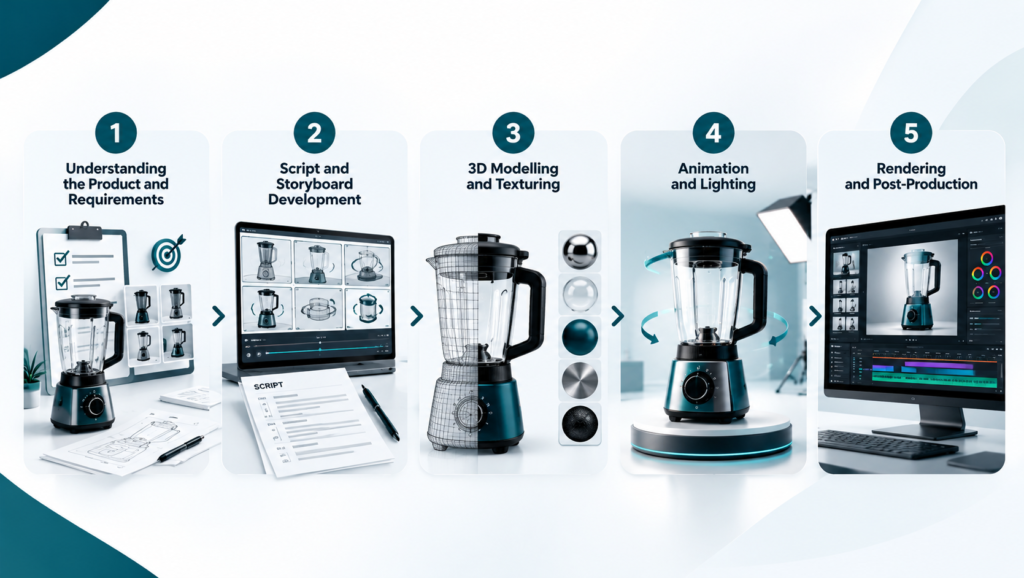
Step 1: Understanding the Product and Requirements
The process begins with understanding the product, target audience and purpose of the animation.
A marketing video may focus on visual appeal and product benefits, while a technical animation may prioritize mechanical accuracy and operational details.
At this stage, businesses should share product references, dimensions, CAD files, branding materials and examples of the visual style they expect.
Step 2: Script and Storyboard Development
The production team develops a script and storyboard outlining the sequence of shots.
The storyboard establishes what viewers will see, how the product will move and which features require emphasis.
Approving this stage early helps prevent changes during animation.
Step 3: 3D Modelling and Texturing
The product is modelled or prepared using the supplied references.
Materials, textures, labels and surface finishes are then applied to create the required appearance.
A sample render is usually useful for checking product accuracy before full animation begins.
Step 4: Animation and Lighting
Once the product model is approved, the animation team creates the camera movements, component interactions and feature demonstrations.
Lighting is developed to reveal important product details and maintain visual consistency between shots.
Technical sequences may require additional approval from engineers or product specialists.
Step 5: Rendering and Post-Production
The approved animation is rendered into individual frames and assembled into a finished video.
Editing, sound effects, music, titles and visual finishing are completed during post-production.
The final video is then exported in the agreed resolution and formats.
How Long Does 3D Product Animation Take?
Production timelines depend on the complexity of the animation and the availability of accurate reference materials.
A straightforward product rotation may take approximately one to two weeks, while a custom product showcase can require several weeks.
Technical animations and premium launch films may take longer because they involve more detailed modelling, animation, rendering and approval stages.
Projects can also be delayed when product specifications change or feedback arrives after an approved stage.
Businesses planning a product launch should discuss delivery deadlines before production begins and allow sufficient time for reviews.
Is 3D Product Animation More Cost-Effective Than Traditional Product Filming?
3D animation and traditional product filming serve different purposes, so neither is automatically the cheaper option.
Traditional filming can be effective when a physical product is available and the video requires real-world demonstrations or human interaction.
However, filming may involve studio rentals, equipment, lighting, product transportation and physical setup changes.
3D animation can be particularly useful when products are difficult to transport, internal mechanisms must be demonstrated or physical prototypes are unavailable.
It also allows businesses to reuse approved digital assets across multiple visual projects.
For example, an existing 3D product model may support additional animations, product images, color variations and marketing materials.
The financial benefit depends on how much of the original asset can be reused and whether additional production work is required.
How Can Businesses Reduce 3D Product Animation Costs?
Reducing costs does not necessarily mean reducing visual quality. Better planning can help businesses avoid unnecessary production work while retaining the elements that matter most.
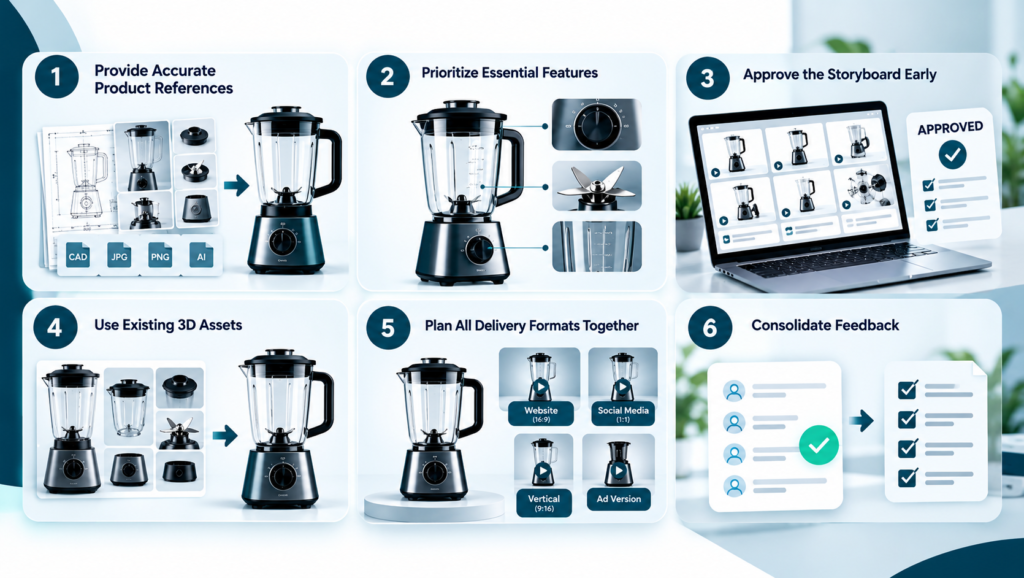
Here are six practical approaches:
- Provide accurate product references. CAD files, dimensions, product photographs and finalized labels reduce uncertainty during modelling.
- Prioritize essential features. Focus on the product benefits customers need to understand rather than including unnecessary camera movements or effects.
- Approve the storyboard early. Confirming the sequence before animation begins reduces the risk of expensive changes.
- Use existing 3D assets. Reusable models, materials and environments can reduce preparation work when they meet production requirements.
- Plan all delivery formats together. Requesting website, social media and advertising versions during initial planning helps avoid additional reworking.
- Consolidate feedback. Collecting comments from relevant stakeholders into one clear revision list makes approvals more efficient.
Businesses should also ask whether the completed 3D model can be reused for future campaigns. This can make the initial investment more valuable over time.
What Should Be Included in a 3D Product Animation Quote?
Comparing animation quotations based only on price can be misleading.
Two studios may provide different estimates because their proposals include different services, levels of detail or revision allowances.
Before selecting a production partner, confirm the following:
- Product modelling, materials and technical accuracy requirements.
- Video duration, shot count and visual references.
- Scriptwriting, storyboarding and animation scope.
- Rendering resolution and delivery formats.
- Voiceover, sound design and music licensing.
- Included revisions and additional revision charges.
- Commercial usage rights and source-file availability.
- Production timeline, payment terms and applicable taxes.
A detailed quotation makes it easier to compare the actual deliverables rather than the headline price alone.
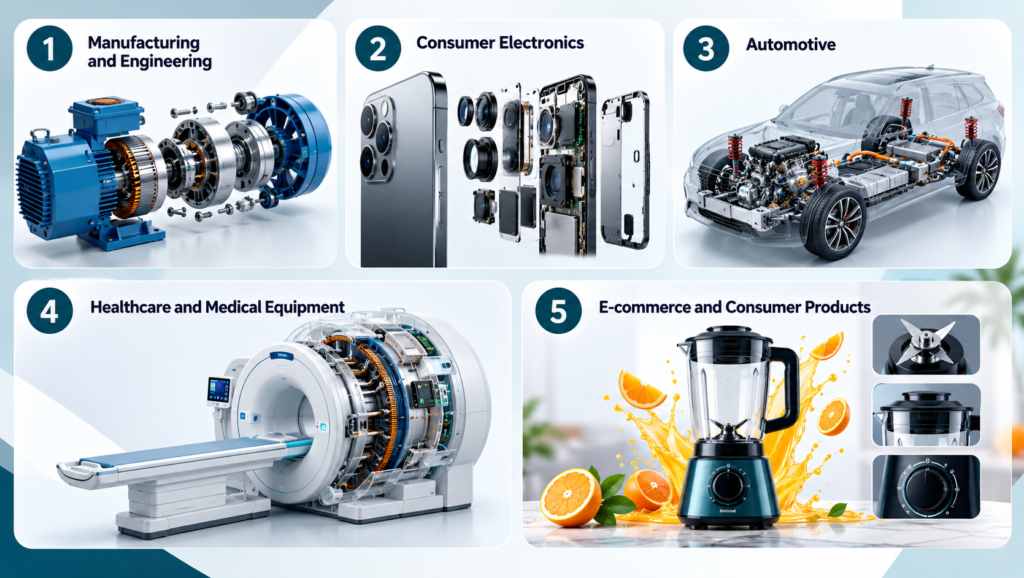
Which Industries Benefit Most From 3D Product Animation?
3D animation is particularly useful for businesses whose products require detailed visual demonstrations.
Manufacturing and engineering: Companies can explain machinery, assembly processes, internal mechanisms and equipment operation without dismantling physical products.
Consumer electronics: Brands can highlight product features, internal components, materials and design details through controlled camera movements.
Automotive: Manufacturers can demonstrate vehicle components, mechanical systems, product technologies and design features.
Healthcare and medical equipment: Animation can communicate the structure and intended operation of medical devices through clear visual explanations.
E-commerce and consumer products: Brands can create product showcases, feature demonstrations and reusable digital assets for online marketing.
The suitability of 3D animation ultimately depends on the information customers need before making a decision.
3DTRIXS Insight: Plan the Animation Around the Product, Not Just Its Duration
At 3DTRIXS, an important part of planning a product animation is identifying what the audience actually needs to understand.
A product showcase designed for an e-commerce listing has different requirements from an industrial animation explaining internal machinery.
For example, a simple exterior rotation may be sufficient to communicate a product’s shape and finish. An animation demonstrating internal airflow requires additional components, technical references and carefully planned movement.
Although both videos could have the same duration, their production requirements would be significantly different.
This is why evaluating the product, intended use and shot requirements is more useful than estimating costs solely by video length.
Businesses should also consider how their digital product assets might support future campaigns, including product renders, advertising visuals and additional animation sequences.
Frequently Asked Questions
1. How much does a 30-second 3D product animation cost in India?
A polished 30-second product showcase may cost approximately ₹1 lakh to ₹4 lakh. Basic animations can cost less, while technically complex sequences may exceed this range. Final pricing depends on modelling, animation complexity and deliverables.
2. Is 3D animation charged per second?
Some studios use per-second pricing as an initial reference, but this approach does not fully account for modelling, materials, effects and technical complexity. A detailed project quotation is more reliable.
3. Does providing a 3D model reduce animation costs?
An accurate, production-ready 3D model can reduce preparation work. However, CAD cleanup, materials, lighting and animation may still be required.
4. Can 3D animation be created before a product is manufactured?
Yes. Approved CAD files, product designs and dimensions can be used to visualize a product before manufacturing. The visuals should accurately reflect the intended design and avoid implying unverified performance.
5. Is 3D product animation suitable for Amazon and e-commerce listings?
Yes. 3D animation can demonstrate product features and create marketing visuals for e-commerce. Businesses should confirm each marketplace’s current video specifications and content policies before delivery.
6. What is the difference between AI video and 3D product animation?
Custom 3D product animation uses controllable digital models, allowing precise camera movements, consistent geometry and planned component interactions. AI-generated video may offer faster visual experimentation but does not necessarily provide the same model-level control.
7. Are revisions included in 3D animation pricing?
Revision policies vary between studios. Businesses should confirm how many feedback rounds are included and whether major changes after approval incur additional charges.
8. Can one 3D animation be used across multiple marketing platforms?
Yes. A single animation project can support websites, social media, presentations and advertising campaigns. Different aspect ratios, edits and usage rights should be planned during the initial briefing.
Get an Estimate for Your 3D Product Animation Project
The cost of 3D product animation in India depends on what you want to communicate, how accurately the product must be represented and the level of visual detail required.
Whether you need a simple product rotation, a detailed mechanical demonstration or a premium launch film, defining the scope early helps you make informed production decisions.
3DTRIXS provides 3D product animation, modelling and visualization services for businesses looking to showcase products through high-quality digital visuals.
Share your product references, expected duration, key features and preferred visual style to receive a project-specific quotation.
Tell us about your product, preferred style, budget and launch date. We can discuss the animation approach and scope for your project.






Founded: 2014
Team Size: 40 to 50 Employees
Clients: Amazon, Paypal, Deloitte, Levis, Intel, EY and many more.
Pricing: $1,000+
Completed Projects: 8000+ | Clients: 800+ | Serving Countries: 15+
Have a Project in Mind?
Tell us about your requirements, and our team will get in touch with you.
